
Film photography has experienced a remarkable resurgence. Whether you’ve just purchased your first vintage SLR or inherited a beloved family camera, proper care will ensure your analog companion captures memories for years to come. Unlike digital cameras, film equipment requires specific maintenance techniques to preserve both mechanical precision and optical clarity.
This guide covers everything you need to know about keeping your film camera in excellent working condition. You’ll learn essential daily habits, storage best practices, and when to seek professional help. With the right approach, even decades-old cameras can deliver stunning results.
Understanding Your Film Camera's Basic Components
Before diving into care routines, familiarize yourself with the key elements of your camera. The shutter mechanism controls exposure timing and requires gentle handling. Light seals prevent unwanted light from reaching your film—these foam strips deteriorate over time and need replacement. The mirror system (in SLRs) allows you to compose shots but contains delicate moving parts.
The lens mount connects your lens to the camera body. Keep this area clean and check for any looseness. Finally, the film advance mechanism moves film between frames. If this feels sticky or overly tight, avoid forcing it.
Daily Handling Best Practices
Always use the camera strap. Film cameras often weigh more than their digital counterparts, and vintage models may have worn grip surfaces. A quality strap prevents costly drops and protects your investment.
Keep your camera at room temperature when possible. Extreme temperature changes can cause condensation inside the camera, potentially damaging internal mechanisms or affecting film. If moving between very different temperatures, place your camera in a sealed bag and allow gradual temperature adjustment.
Wind film gently and consistently. Don’t force the advance lever if you encounter resistance. Some cameras require specific winding techniques—single strokes versus multiple partial advances. Consult your camera’s manual or research the specific model online.
Handle the shutter button with care. Press smoothly and deliberately. Jabbing or pressing too hard can cause camera shake and may damage the shutter mechanism over time.
Cleaning Your Film Camera Properly
External cleaning starts with a soft, dry cloth. Remove dust and fingerprints from the camera body using gentle, circular motions. For stubborn marks, slightly dampen the cloth with distilled water. Avoid harsh chemicals or alcohol-based cleaners, which can damage paint or rubber components.
Clean the viewfinder carefully. Use a lens cleaning pen or soft brush to remove dust from the viewfinder window. For the focusing screen inside, extreme caution is required—this component is fragile and expensive to replace. If you see significant dust or spots, consider professional cleaning.
Maintain the lens mount. Remove the lens periodically and clean both the camera’s mount and the lens mount with a dry cotton swab. Remove any dust or debris that could interfere with proper connection.
Address light seals proactively. Check the light seals around the film door and mirror box. If you notice black foam residue or crumbling material, replacement is necessary. Fresh light seals prevent light leaks that create unwanted exposure on your film.
Proper Storage and Environmental Considerations
Store cameras in a dry, stable environment. Humidity is film photography’s enemy, promoting mold growth on internal surfaces and degrading lubricants. Ideal storage humidity ranges between 30-50%. Consider using silica gel packets in your camera bag or storage area.
Remove batteries during long-term storage. Even if your camera only uses batteries for the light meter, old batteries can leak and cause corrosion. This damage is often irreversible and expensive to repair.
Store cameras with slightly tensioned shutters. Many experts recommend leaving cameras with the shutter cocked (wound but not fired) during storage. This prevents springs from losing tension over time. However, research your specific camera model, as some benefit from the opposite approach.
Protect from dust and physical damage. Use padded cases or camera bags with proper compartments. Avoid storing cameras in areas with temperature fluctuations, such as attics or basements.
Common Issues and When to Seek Professional Help
Sticky shutter speeds often indicate old lubricants. If your camera’s shutter seems sluggish or inconsistent, professional servicing is recommended. Attempting to lubricate mechanisms yourself can cause more damage.
Inaccurate light meters may need calibration. While vintage light meters often drift over time, many remain serviceable with professional adjustment. However, learning to use external light meters or smartphone apps provides reliable backup options.
Mirror problems require immediate attention. If your SLR’s mirror doesn’t return properly after exposure or appears damaged, stop using the camera immediately. Mirror repairs are delicate and require specialized tools.
Lens focusing issues can sometimes be resolved at home. If your lens focuses past infinity or stops short, check for debris in the focusing helical. However, internal focusing problems typically require professional service.
Film cameras with electronic components, particularly those from the 1970s onward, may develop capacitor-related issues. These problems manifest as erratic meter readings, shutter timing problems, or complete electrical failure. Professional diagnosis is essential for addressing these issues.
Building Long-Term Care Habits
Exercise your camera regularly. Cameras benefit from use—sitting unused for years can cause lubricants to thicken and mechanisms to seize. Even if you’re not shooting film regularly, cycle through shutter speeds and advance mechanisms monthly.
Keep detailed records. Note when you last used each camera, any issues you’ve noticed, and maintenance performed. This information proves valuable for troubleshooting and helps professionals understand your camera’s history.
Build relationships with repair professionals. Research camera repair services in your area before you need them. Established repair shops often provide valuable advice and may offer maintenance packages for camera collections.
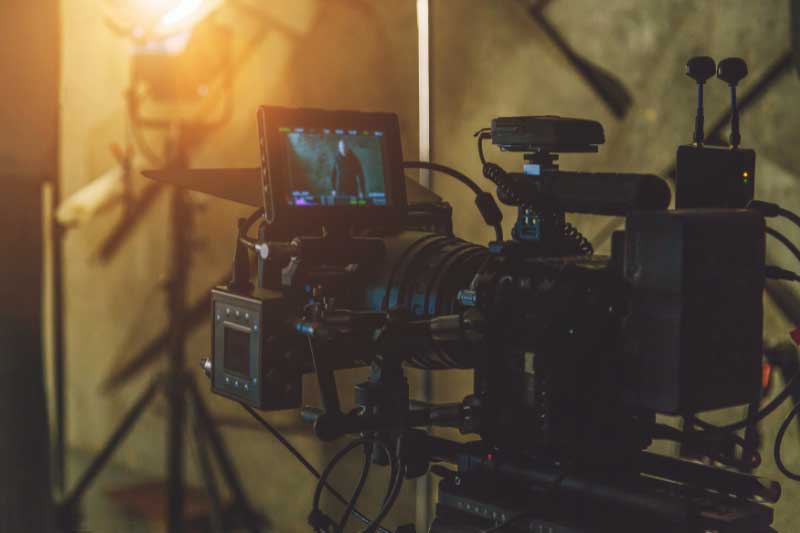
What are the Most Common Issues for a Video Camera?
Video cameras can face a range of common issues that affect their performance and output quality. Many users experience problems with autofocus, where the camera struggles to lock onto a subject, resulting in blurry footage. Another frequent problem is poor low-light performance, which leads to grainy or noisy video when shooting in dim conditions.
Battery life is also a persistent concern, as cameras often run out of power faster than expected, especially when recording in high resolution. Additionally, audio problems, such as background hiss or muffled sound from the built-in microphone, are common video camera issues that can ruin a recording.
Protecting Your Investment for Years to Come
Proper film camera care combines respect for vintage engineering with practical maintenance habits. These cameras were built to last for decades with appropriate care. By following consistent cleaning routines, proper storage practices, and knowing when to seek professional help, you’ll ensure your film camera continues producing beautiful images.
Remember that each camera has unique characteristics and requirements. Research your specific model’s quirks and maintenance needs. Join film photography communities online or locally—experienced photographers often share valuable care tips and can recommend trusted repair services.
Your film camera represents both functional tool and piece of photographic history. With proper care, it will serve you reliably while connecting you to photography’s rich analog tradition.
Ready to Get Your Gear Fixed? Don’t let a malfunctioning camera hold you back. Take the first step toward getting your equipment professionally repaired by our expert team. US Camera Repair offers expert repair and maintenance for all major camera brands and models.