
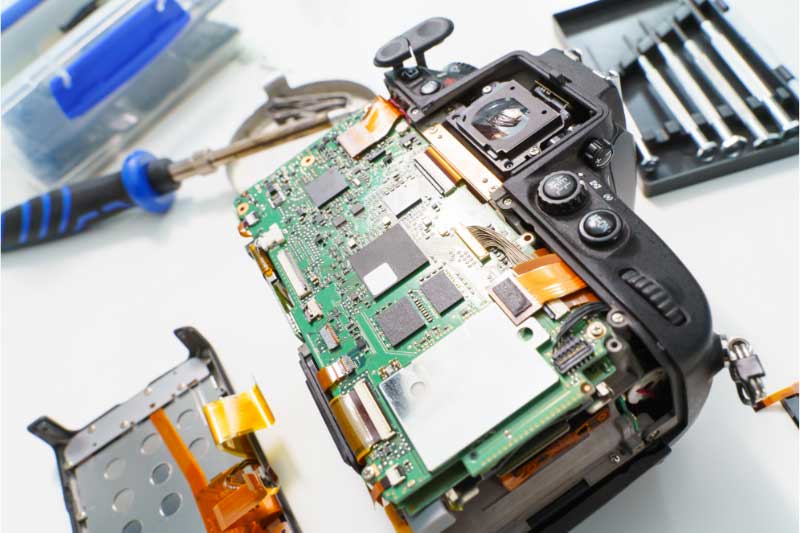
Learn the top signs your camera needs professional repair. Avoid costly damage and ensure your gear stays in perfect condition with expert advice.
For photographers, both amateur and professional, a camera is more than just a tool. It’s an extension of your creativity, a window to the world, and often, an investment in your craft. But like any complex piece of equipment, cameras aren’t immune to wear and tear. When something feels off with your gear, it’s crucial to identify the issue early and address it before it worsens or leads to costly repairs.
How can you tell if your camera is in need of help? Here, we’ll guide you through the top 5 signs that your camera needs professional repair. Whether it’s a minor glitch or a symptom of a more significant issue, knowing these signs can save you time, frustration, and money.
1. Blurry or Distorted Images
One of the most glaring indications that your camera might need professional attention is a sudden and persistent decline in image quality. If your photos are consistently blurry, fuzzy, or distorted—even with proper focus settings and lighting conditions in place—the issue likely goes beyond user error.
Potential Causes:
- Lens Issue: Dust, smudges, or scratches on the lens can interfere with image clarity. However, if cleaning doesn’t resolve the problem, internal lens damage or misalignment might be the culprit.
- Autofocus Malfunction: Sometimes the camera’s autofocus system struggles or fails completely, particularly if parts of the mechanism are worn or damaged.
- Sensor Issues: A dirty or damaged image sensor can also lead to softness or strange distortions in your photos.
If cleaning your lens and sensor doesn’t restore your photos’ sharpness, it’s a good idea to get your camera assessed by a professional before the issue worsens.
2. Physical Damage or Malfunctioning Buttons
Cameras are built to withstand a lot, but accidents happen. Whether it’s a drop, a spill, or just frequent overuse, external damage can easily translate into internal issues.
What to Look For:
- Buttons that stick, feel unresponsive, or work intermittently
- Cracks, dents, or other noticeable damage to the camera body
- A loose or jammed lens mount
- Damaged screens with flickering or dead pixels
Why It Matters:
Physical issues might seem minor at first, but they can escalate if they affect other components. For instance, a cracked body could allow dust or moisture to seep into sensitive areas, leading to costly internal damage. If your camera buttons or mechanisms aren’t behaving as expected, it’s time to schedule a repair.
3. Unusual Noises During Operation
Your camera’s mechanical parts should operate smoothly and silently for the most part. That’s why unexpected clicks, grinding noises, or unusual whirring sounds during use can be a red flag.
Common Culprits:
- Shutter Issues: A jammed or malfunctioning shutter can produce irregular clicking or grinding sounds.
- Lens Problems: Image stabilization components and autofocus motors may emit strange noises if they’re misaligned or nearing failure.
- Internal Damage: After impacts or wear over time, internal moving parts might no longer function seamlessly.
Unusual noises aren’t something to ignore. Left unchecked, minor problems with internal mechanics could snowball into more significant damage.
4. Connection Problems with Accessories
Modern cameras often depend on external gear like lenses, memory cards, flashes, and tripods. When your camera starts having compatibility or connectivity issues, it may point to an internal problem.
Common Signs:
- Memory cards fail to read or frequently show errors
- Lenses don’t communicate properly with the camera body (autofocus or aperture issues)
- Hot shoe accessories like flashes don’t trigger or function correctly
Possible Causes:
These issues might stem from dirty or corroded contacts, software glitches, or worse, internal wear and tear in the camera’s circuitry.
If your camera struggles to “talk” to your accessories, it might need a professional diagnosis and repair to replace worn-out components or correct the connection.
5. Water or Moisture Damage
Moisture is a camera’s worst enemy. Even weather-sealed models designed to handle tough environments aren’t entirely immune to water damage. And unfortunately, water issues aren’t always visible right away.
Telltale Signs:
- Fogging inside the lens or viewfinder
- Buttons no longer functioning after being exposed to rain or spills
- Corrosion or discolored areas near ports and battery compartments
- Electrical malfunctions, such as the camera failing to power on or recharging improperly
Moisture damage tends to spread, corroding sensitive electronics over time. If your camera comes into contact with water, the best step is to turn it off immediately and head to a professional repair service to prevent long-term damage.
When to Seek Professional Help
For minor issues, such as a smudged lens or a dirty sensor, DIY cleaning methods can help restore your camera’s performance. However, for more serious signs, such as internal noises or persistent malfunctions, a professional repair service is your safest bet. Trained technicians can accurately diagnose the problem, source genuine replacement parts, and ensure your camera is fully restored.
Protecting Your Camera Moving Forward
Prevention is always better than cure! To keep your camera in tip-top shape:
- Use a protective camera bag to minimize damage from impacts or environmental hazards.
- Clean your lenses and sensors regularly using appropriate tools and techniques.
- Avoid exposing your camera to extreme weather conditions like heavy rain, excessive heat, or freezing temperatures.
- Schedule routine professional maintenance to catch potential issues early.